In the digital age, personal data protection has become a critical concern, especially for Ex-Servicemen (ESM) and ECHS beneficiaries who often handle sensitive medical and personal documents. The Central Organisation ECHS has issued an important advisory highlighting the growing risks associated with uploading personal documents on unverified websites that offer free online services. This article explains the concerns, risks, and recommended precautions in a structured manner.
The Actual Facts behind this
Recent trends show a sharp rise in websites and online service providers requesting users to upload random personal documents—often under the pretext of providing “free” or “value-added” services. These websites encourage uploading files from personal computers, laptops, and smartphones in exchange for some service.
Unfortunately, many users—due to lack of awareness or technical understanding—unknowingly upload critical documents such as:
- ECHS referral forms
- Blood test and laboratory reports
- ECHS application forms
- ECHS smart card details
- Medical documents and prescriptions
Such uploads expose highly sensitive medical and personal information. The advisory notes an increasing tendency among beneficiaries to share these documents online, unknowingly risking identity theft and data misuse.
Threats and Risks to ECHS Beneficiaries
Sharing medical or personal documents online, especially on unknown or unsecured platforms, poses several threats:
Misuse of PII (Personally Identifiable Information)
Sensitive details such as name, date of birth, service number, address, medical history, etc., can be exploited for malicious purposes.
Identity Theft and Impersonation
Cybercriminals may use such details to impersonate the individual, leading to fraudulent financial or legal transactions.
Unauthorized Use of Health Information
Health records can be manipulated or misused for insurance fraud, fake claims, or targeted scams.
Creation of Fake Profiles
Data harvested from uploaded documents can be used to create fake profiles or generate forged ECHS documents.
Targeted Cyber Attacks
Ex-servicemen and defence personnel are particularly vulnerable to foreign cyber entities attempting targeted phishing or misinformation campaigns.
Manipulation of Medical Information
Tampered or falsified medical data can affect future treatment, insurance, and entitlement-related assessments.
Conclusion from the Advisory
The Central Organisation ECHS emphasizes that protecting personal information is vital for:
- Ensuring security of beneficiaries
- Maintaining operational effectiveness of ECHS
- Preventing misuse of medical and personal information
- Countering cyber threats targeting veterans and their families
All ECHS beneficiaries are strongly advised NOT to upload or share:
- Medical records
- Laboratory reports
- ECHS card details
- Referral forms
- Any personal documents
…on social media, messaging apps, unknown websites, or public digital platforms.
Recommended Safety Measures for ECHS Beneficiaries
To stay protected, beneficiaries should follow these guidelines:
Use Only Official Platforms
Upload documents only on the official ECHS website or verified government portals.
Avoid Third-Party “Free Service” Websites
Never share documents with portals offering free downloads, PDF conversions, or any “free” service in exchange for uploads.
Disable Auto-Backup for Sensitive Files
Cloud services like Google Drive, iCloud, and Dropbox may automatically back up documents. Disable backup for medical documents.
Keep Devices Secure
- Use updated antivirus software
- Enable two-factor authentication
- Avoid sharing devices with unknown individuals
Verify Before Sharing
When in doubt, contact your ECHS Polyclinic or Regional Centre before sharing any document online.
Role of ECHS Polyclinics and Regional Centres
The advisory also directs all Regional Centres and Polyclinics to:
- Disseminate this information widely
- Educate beneficiaries during visits
- Display notices and advisories prominently
- Ensure staff counsel beneficiaries about data protection
The advisory from Central Organisation ECHS is a timely reminder of the increasing cyber threats targeting vulnerable groups such as ex-servicemen and their families. Protecting personal identifiable information and medical data is not merely a technical issue but a matter of personal security and dignity. Beneficiaries must exercise extreme caution and avoid sharing sensitive documents online unless absolutely necessary and only through official channels.
Want to read the original Advisory by ECHS Central organisation ? – Click here
- Guidelines for ECHS Beneficiaries : Preventing Inadvertent Disclosure of Personal Information
 In the digital age, personal data protection has become a… Read more: Guidelines for ECHS Beneficiaries : Preventing Inadvertent Disclosure of Personal Information
 - Complete Guide to AFD-I Entitlements Under CSD for Serving, Retired Defence Personnel & Defence Civilians (2025 Update)
 The Canteen Stores Department (CSD) provides a wide range of… Read more: Complete Guide to AFD-I Entitlements Under CSD for Serving, Retired Defence Personnel & Defence Civilians (2025 Update)
 - Get Direct Support from ESM Info Club: A Dedicated Platform for the Welfare of Veterans and Their FamiliesThe ESM Info Club is a committed welfare initiative dedicated… Read more: Get Direct Support from ESM Info Club: A Dedicated Platform for the Welfare of Veterans and Their Families
- Convert Your Defence Salary Package Account to DSP Pension Account Today Just From Your Home
 Benefits applicable to DSP Pension Account Holder Benefits under Pension… Read more: Convert Your Defence Salary Package Account to DSP Pension Account Today Just From Your Home
 - Reemployed Exservicemen Must Submit this Certificate to PCDA (P) to Continue DR on Pension
 It has been observed that deerness relief of some pensioners… Read more: Reemployed Exservicemen Must Submit this Certificate to PCDA (P) to Continue DR on Pension
 - SPARSH will Deduct DR with Life Certificate ? Analysis of PCDA Circular No. 200 and Pension Regulations
 Re-employment after military retirement is common among Junior Commissioned Officers… Read more: SPARSH will Deduct DR with Life Certificate ? Analysis of PCDA Circular No. 200 and Pension Regulations
 - Intelligence Bureau (IB) MTS Recruitment 2025 – Complete Details
 The Intelligence Bureau (IB), operating under the Ministry of Home… Read more: Intelligence Bureau (IB) MTS Recruitment 2025 – Complete Details
 - Recruitment of Women Sports Athletes in Territorial Army (Home & Hearth) Battalion
 The Territorial Army (TA) is initiating a special recruitment drive… Read more: Recruitment of Women Sports Athletes in Territorial Army (Home & Hearth) Battalion
 - A Clear Concept of Roles and Responsibilities of Zila Sainik Board
 A Detailed information for awareness of Ex-Servicemen Zila Sainik Boards… Read more: A Clear Concept of Roles and Responsibilities of Zila Sainik Board
 - Exservicemen may apply for PMSS for Academic Year 2025–26
 A Comprehensive Guide for Eligible Students and Ex-Servicemen Families The… Read more: Exservicemen may apply for PMSS for Academic Year 2025–26
 - India’s Defence Manufacturing on Display at the 44th IITF
 The 44th India International Trade Fair (IITF) opens tomorrow, 14… Read more: India’s Defence Manufacturing on Display at the 44th IITF
 - Indian Air Force Recruitment 2026 in Officers Cadre – AFCAT 01/2026 & NCC Special Entry (Courses Commencing January 2027)
 Indian Air Force (IAF) has announced recruitment for men and… Read more: Indian Air Force Recruitment 2026 in Officers Cadre – AFCAT 01/2026 & NCC Special Entry (Courses Commencing January 2027)
 - Why 8th CPC Prospects for Highly Improving Pay & Pension of Central Government Employees
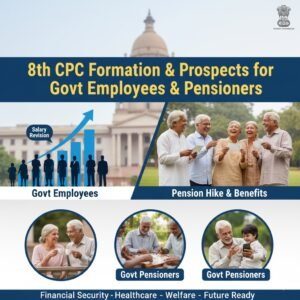 The Government of India has constituted the 8th Central Pay… Read more: Why 8th CPC Prospects for Highly Improving Pay & Pension of Central Government Employees
 - Clarification on Enhanced Rate of Family Pension After Death Post-Retirement — Must Know for all pensioners
 The Government of India’s Department of Pension & Pensioners’ Welfare… Read more: Clarification on Enhanced Rate of Family Pension After Death Post-Retirement — Must Know for all pensioners
 - Job Fair 2025 for Ex-Servicemen : Organised by DGR
 Empowering Veterans with New Career Opportunities The Directorate General Resettlement… Read more: Job Fair 2025 for Ex-Servicemen : Organised by DGR
 - Defense Ministry Approves 100% Increase in Financial Assistance for Ex-Servicemen (ESM) and Their Dependents
 Govt Welfare Schemes for Exservicemen On 15 October 2025, the… Read more: Defense Ministry Approves 100% Increase in Financial Assistance for Ex-Servicemen (ESM) and Their Dependents
 - India-Mongolia Strategic Partnership Strengthened: Defence Minister Rajnath Singh Calls on Mongolian President Khurelsukh
 Introduction and Core Outcome Raksha Mantri Shri Rajnath Singh called… Read more: India-Mongolia Strategic Partnership Strengthened: Defence Minister Rajnath Singh Calls on Mongolian President Khurelsukh
 - Petty Officer Vs Havildar : Need to Re-designating Indian Army Ranks
 No more Humiliation of Army Ranks The rank structure of… Read more: Petty Officer Vs Havildar : Need to Re-designating Indian Army Ranks